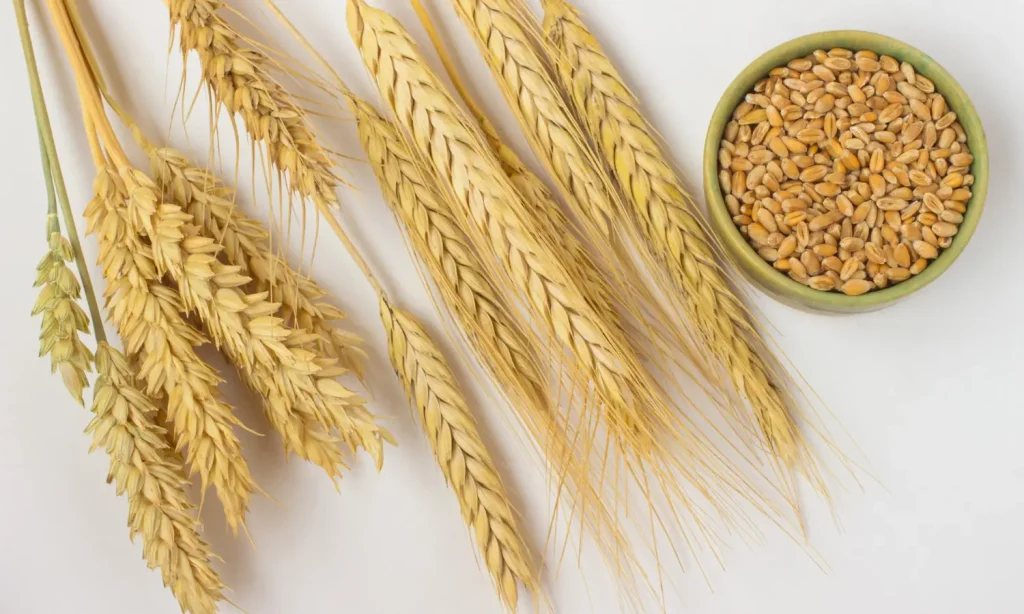
Wheat and barley are strategic cereal crops closely associated with national food security. However, their cultivation in the United Arab Emirates (UAE) is constrained by significant environmental, economic, and technical challenges arising from the arid desert climate and the scarcity of freshwater resources. Nevertheless, emerging opportunities—driven by technological innovation and sustained government support—offer potential pathways toward achieving limited but sustainable domestic production.
A principal constraint on cereal cultivation in the UAE is the limited availability of freshwater, compounded by high salinity levels in soils and groundwater, extreme temperatures, and elevated evapotranspiration rates. These factors collectively reduce water-use efficiency and adversely affect crop productivity (MOCCAE). The reliance on non-renewable groundwater further raises concerns regarding long-term sustainability. In addition, domestic production costs remain significantly higher than import costs due to the substantial expenses associated with irrigation, energy consumption, and agricultural inputs, as well as the restricted availability of suitable arable land.
Successful cultivation of wheat and barley in such environments requires crop varieties capable of tolerating heat, salinity, and water stress while completing their growth cycles within relatively short planting windows. This necessitates advanced research and development programmes focused on breeding resilient cultivars. Moreover, climate change is expected to exacerbate temperature extremes and rainfall variability, thereby increasing production risks in already marginal agricultural environments (FAO, 2021).
Conversely, considerable opportunities exist to enhance local cereal production through the adoption of modern agricultural practices. These include drip irrigation, precision agriculture, and the use of genetically improved or selectively bred varieties adapted to harsh environmental conditions. Protected agriculture and saline agriculture systems also offer viable approaches for utilizing lower-quality water resources more efficiently (ICBA) Government-led initiatives have played a critical role in supporting agricultural research, providing financial incentives to farmers, and fostering collaboration with international research institutions.
Barley, in particular, is regarded as a more suitable crop for arid regions due to its comparatively higher tolerance to drought and salinity than wheat. This characteristic makes it especially valuable for forage production and for reducing dependence on imported feed grains. Furthermore, digital technologies—such as remote sensing, geographic information systems (GIS), and decision-support tools—can significantly improve resource management and enhance production efficiency.
In conclusion, the future of wheat and barley cultivation in the UAE depends on the capacity to balance food security objectives with the sustainable management of limited natural resources. Agricultural development in desert environments is therefore less dependent on expanding cultivated areas and more reliant on technological innovation, efficient resource use, and adaptive management strategies.
References
- FAO (2021) The State of the World’s Land and Water Resources for Food and Agriculture. Rome: Food and Agriculture Organization.
- ICBA, Research on saline agriculture in arid regions. Dubai: International Center for Biosaline Agriculture.
- MOCCAE (Ministry of Climate Change and Environment), Agricultural sustainability in the UAE. Available at: https://www.moccae.gov.ae